Our Aoroa story starts with John and Emma Harding. They arrived in Wellington, New Zealand from England in 1842, on the ship “Birman.”
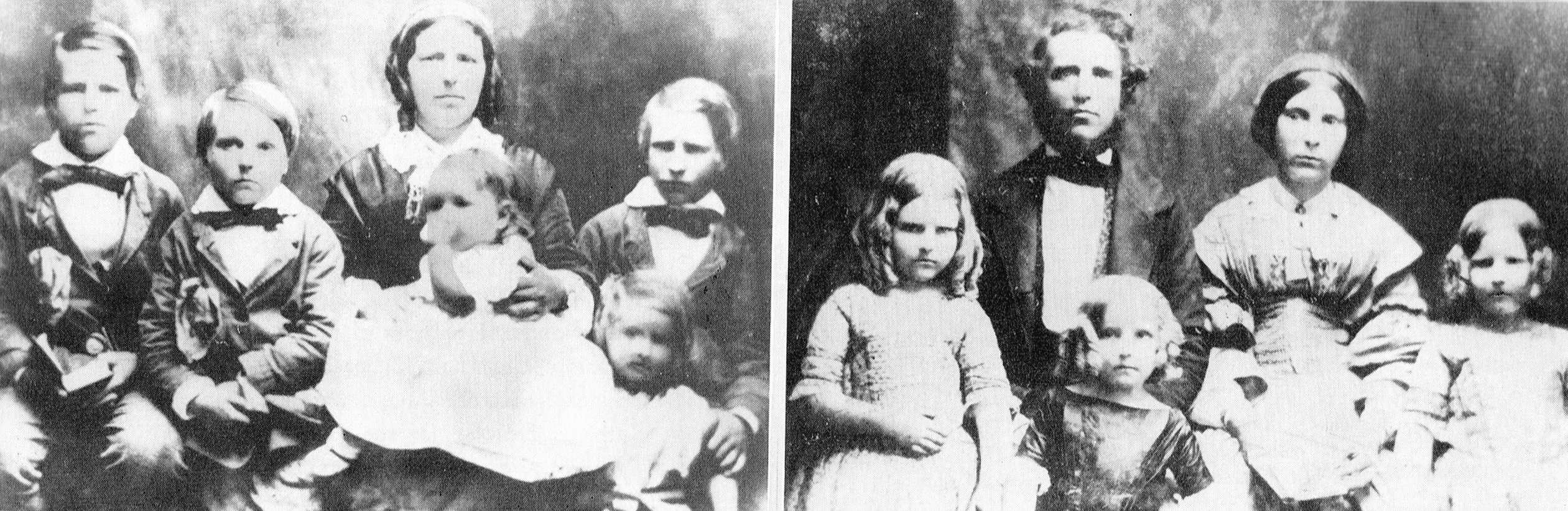
John, Emma and their young family remained in Wellington where John worked as a woodturner. Then in 1852 John travelled North and bought land in Waipukurau and had a house built. By 1855 Emma and their young family were living there too. They were some of the first settlers to take up land in the district.
John and Emma had seven sons and five daughters, and in 1877 John purchased the Aoroa block from Kaipara Maori he met while on a trip up North. It is unknown who they were, but the Evening Star newspaper of October 4, 1878, mentions a dispute over the distribution of the sale money, which indicates that several leading chiefs of Te Uri o Hau and Ngati Whatua were involved in the transaction.
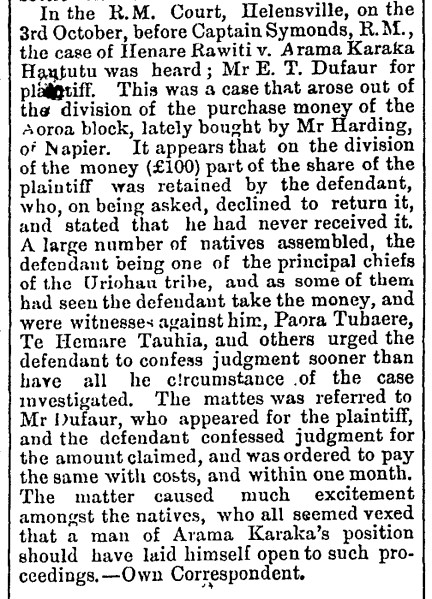
John bought the land with the intention that his 10th child and fifth son William Bennick Harding would settle on it. Edwin (the youngest son) was also sent up to settle on it. They farmed on it for a few years, but the health of both brothers failed so in 1879 18-year-old Alfred and 14-year-old Maurice were sent up.
The finalising of the purchase between William and Alfred took ten years however, as when the previous Maori owners signed the deed, the signature of one of them was missing. This caused a delay in the development of the farm.
Back then, it stretched from the Northern Wairoa River to Ripiro beach and from Aratapu to Mt Wesley – around 14,000 acres. (5665 hectares)

The first money made by the Aoroa block came from selling the meat of wild cattle, but for many years the main source of income was Kauri gum royalties.
Alfred and John were keen to improve the stock at Aoroa, so in 1889, 2000 Romney Marsh sheep were driven all the way from Waipukurau. The journey took 50 days with only a few sheep lost.
Gradually the land was ploughed and grass and feed crops such as swedes, turnips, mangles and oats were grown. It was said that Alfred imported bumblebees from Australia to help pollinate the crops.
The Aoroa block was the first to be farmed in the district. As pasture developed, another flock of Romney Marsh sheep was driven from Mt Vernon, Waipukurau.
The first dairy farming at Aoroa was in 1902. Alfred later bought beef and dairy strains of Shorthorn cattle from the Waikato and established sharemilkers on different parts of the farm. They sent whole milk to the new dairy factory that Alfred helped establish.
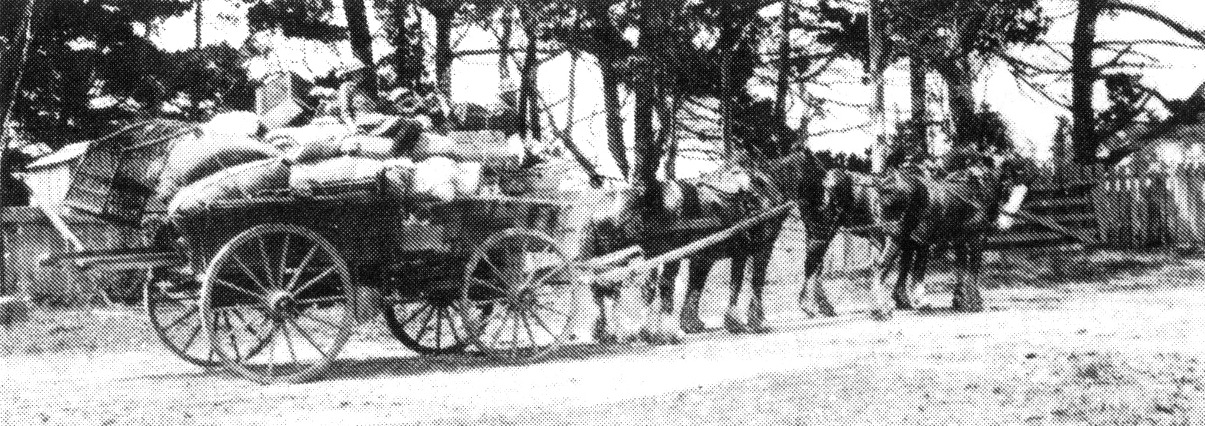
Hacks and draught horses were also bred on the farm. At one stage there were 30 highly bred brood Clydesdale mares. Clydesdales, in teams of six, pulled wagons to use on the gum fields.
Alfred was always improving the stock on Aoroa by buying from and swapping with his father John and later nephew Walden Harding from Mt Vernon and his northern brothers Edwin and Maurice. He also brought stock from as far as Australia and Britain. Stock was frequently shown at local and Auckland agricultural shows with a high success rate. Some say he was the leading farmer in the Northern Wairoa.
Alfred met his wife Margaret Astley at a choir practice. The Astley family had arrived from Chorley, Lancashire, England, when Margaret was a child, and settled in Auckland. She came north to teach at the Dargaville primary school. Margaret became a frequent visitor to the Harding brothers’ bachelor establishment, (with a chaperone of course!) When they got engaged the response from his father John was “she’s a wild girl Alfred. I’d look around a little yet”.
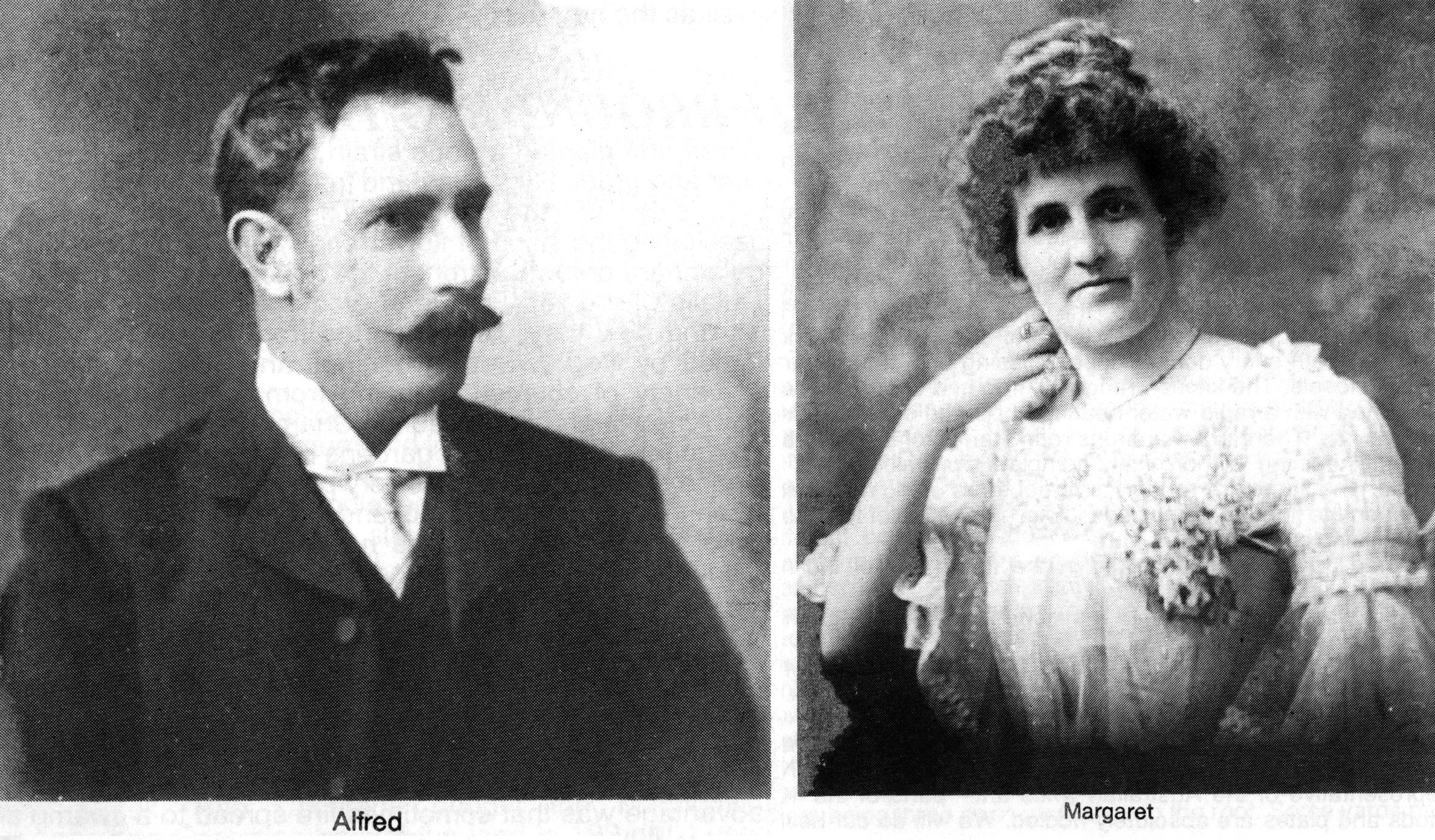
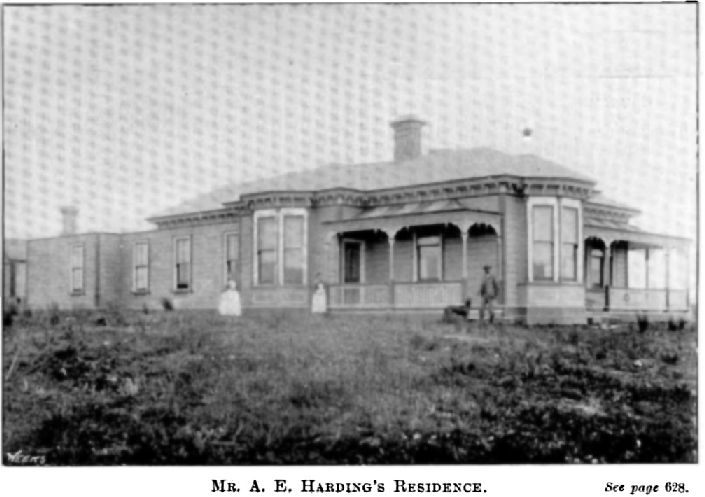
But Alfred and Margaret got married on February 25, 1893, in the Mt Albert Wesleyan Church. The Aoroa homestead was built for the newlyweds to occupy after their honeymoon. The whole cost of the building was £800.
Margaret and Alfred were both keenly involved in local and national affairs, and would often travel together to buy and bring home cattle. On these trips there were often no formed roads and bridges so cattle had to be persuaded to swim across rivers.
As a member of the House of Representatives from 1902-1905, Alfred would have to travel to Wellington, and Margaret came along sometimes too, with visits to Mt Vernon and Auckland on the way home. But most of the time when Alfred was away at Parliament, Margaret stayed home to running the farm and look after their growing young family.
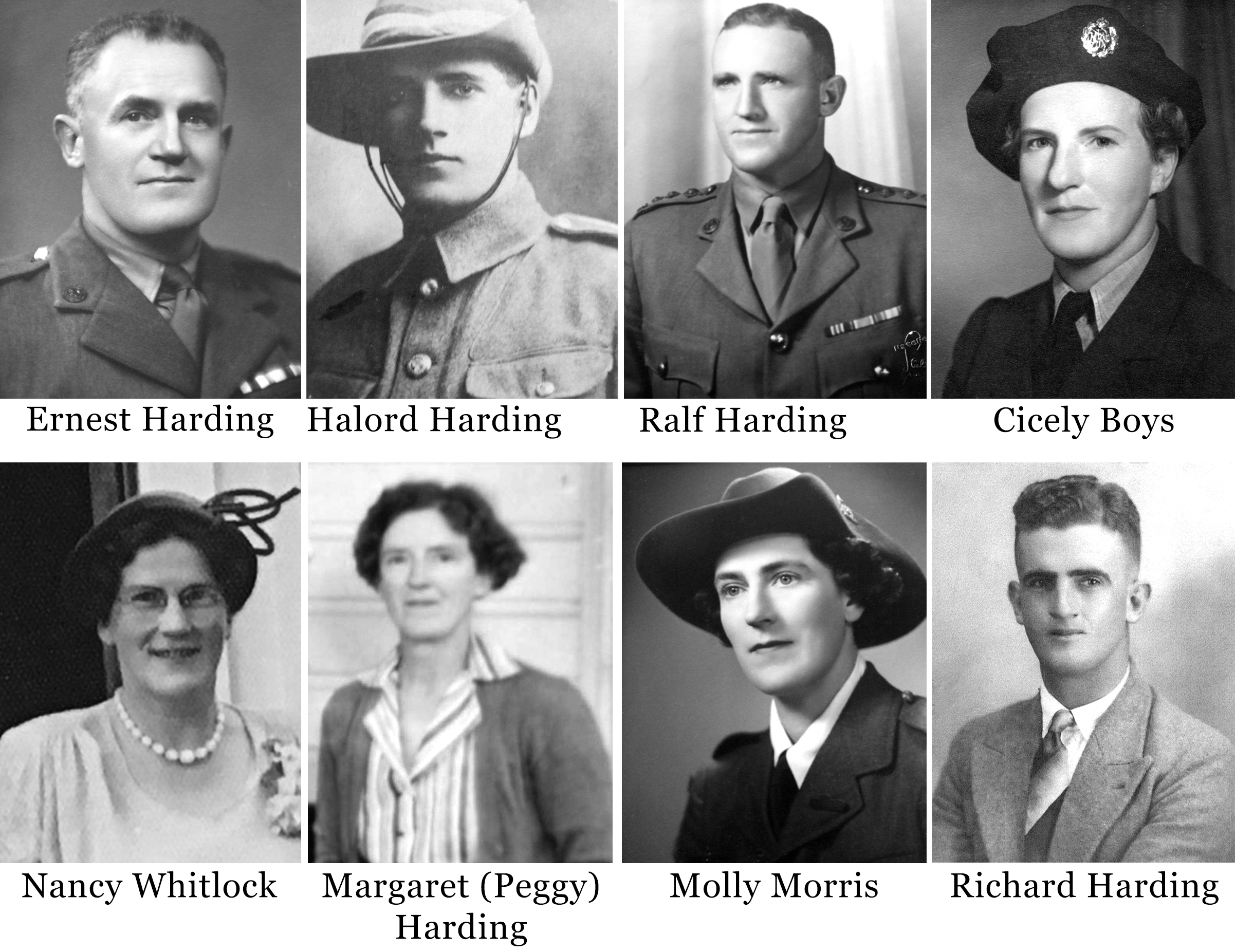
Alfred and Margaret had eight children. Ernest, Hal, Ralf, Cicely, Margaret (who was known as Peggy), Nancy, Molly and Richard.
After leaving school, Ernest, Hal and Ralf enlisted and fought in World War One. Hal was posted missing after the landing at Gallipoli and was never heard of again. Ralf and Ernest returned home safely.
Margaret was a founding member of the Northland Plunket society and helped raise money for the war effort. Between the wars most of the children married and left home.
When World War Two came around Ernest, Ralf and Richard went, with Richard not returning.
Between the two world wars, Ernest gradually assumed the leadership of the Aoroa estate. By then some had been sold off and Alfred was busy with all his outside interests which involved being a member and chairman on various farm and local government related boards and associations. However, he advised Ernest where needed.
Ernest married Nora Dargaville and they had four children, Lesley, Keith, Margaret (known as Anne) and Frances (known as Josie). They lived in a house Ernest had built for his family next to the Aoroa homestead.
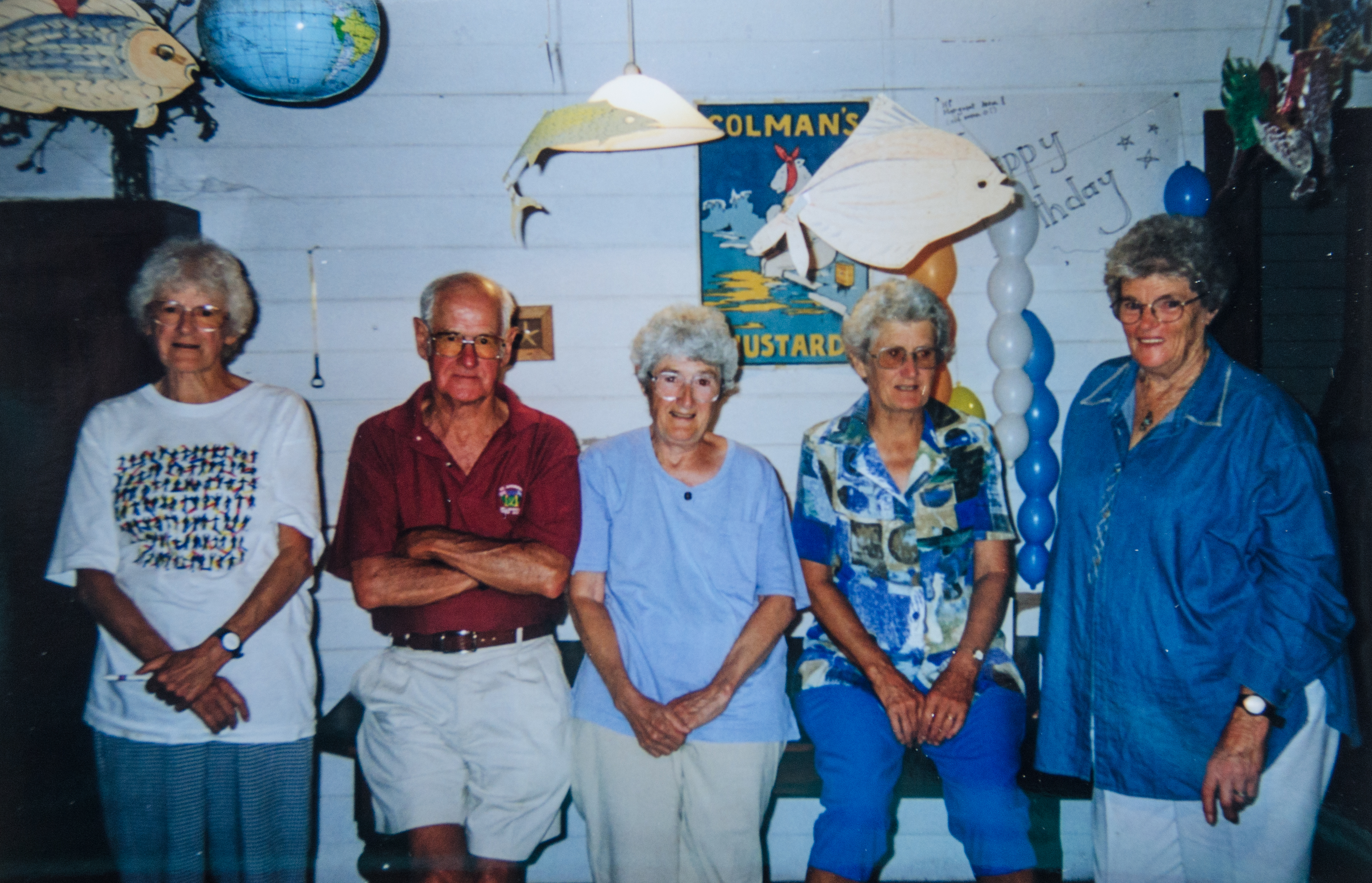
After the Second World War Alfred’s health deteriorated and he died in 1946. Most of the family and close friends were at the service and a group of Maori came to pay their respects.
Margaret died in June 1962. As a mark of respect, the Dargaville shops closed as the cortege drove to the cemetery.
Alfred and Margaret were well-respected in the area, and are remembered for the contributions they made to the Northern Wairoa area through their participation in various clubs, boards, committees, associations, farming ingenuity and land donations. They were a couple who inspired their generations to come.
In 1965 Ernest and his son Keith formed a company called EA & KD Harding Ltd. By this time most of the coastal strip and gum hill country had been sold, and the farm’s income was the two sharemilking blocks on either side of the beef and sheep block in the middle.
Keith married Margaret Gould on May 16, 1953. They started their married life living in the small flat attached to the back of the Aoroa homestead, as “Granny Harding” (Margaret Astley) and Aunt Peggy lived in the main house. After Margaret’s death, they moved into the main house as by this time they had four children.
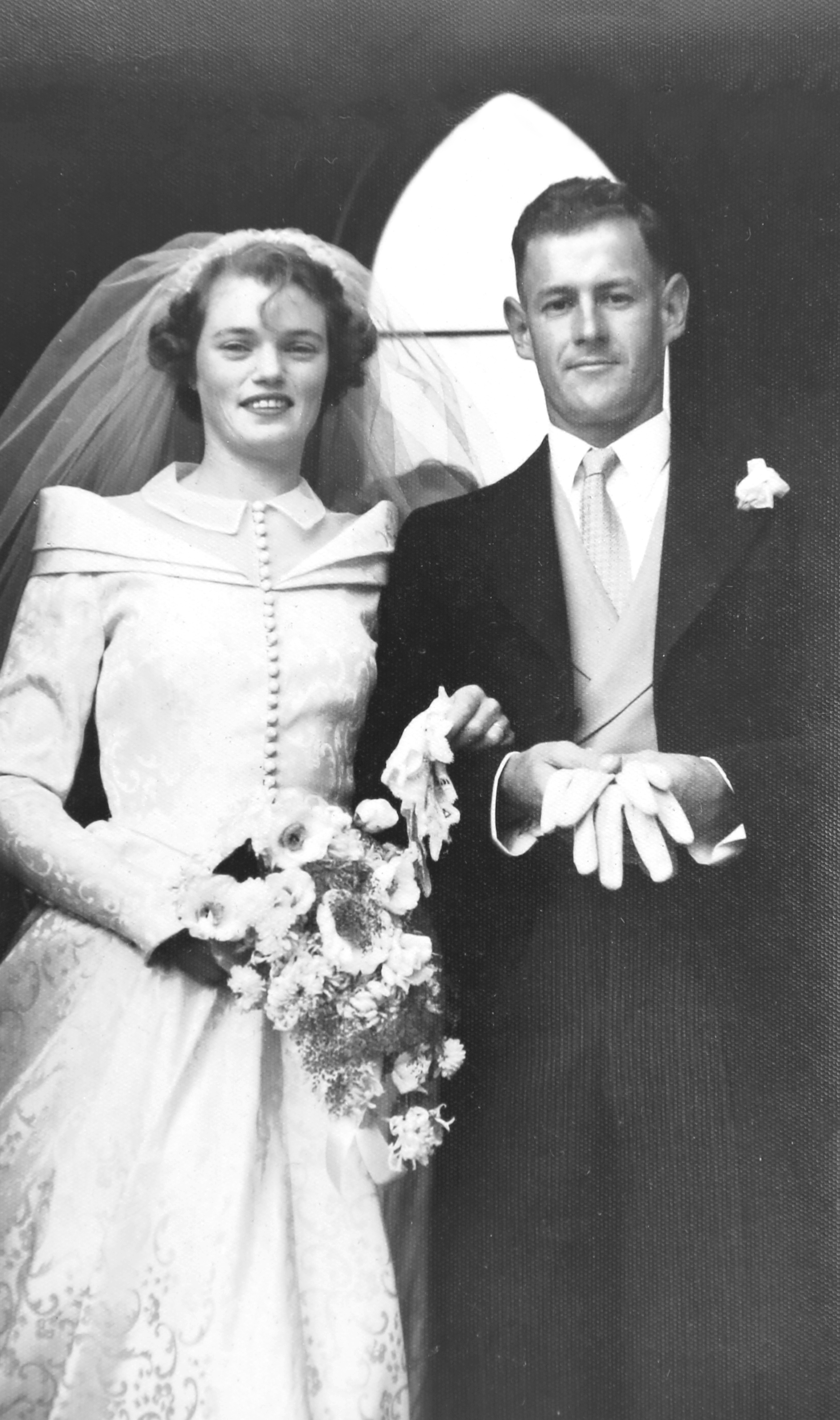
Keith and Margaret went on to have seven children, Judith, Josephine, Harold, Patricia, Peter, Robert and Brian.
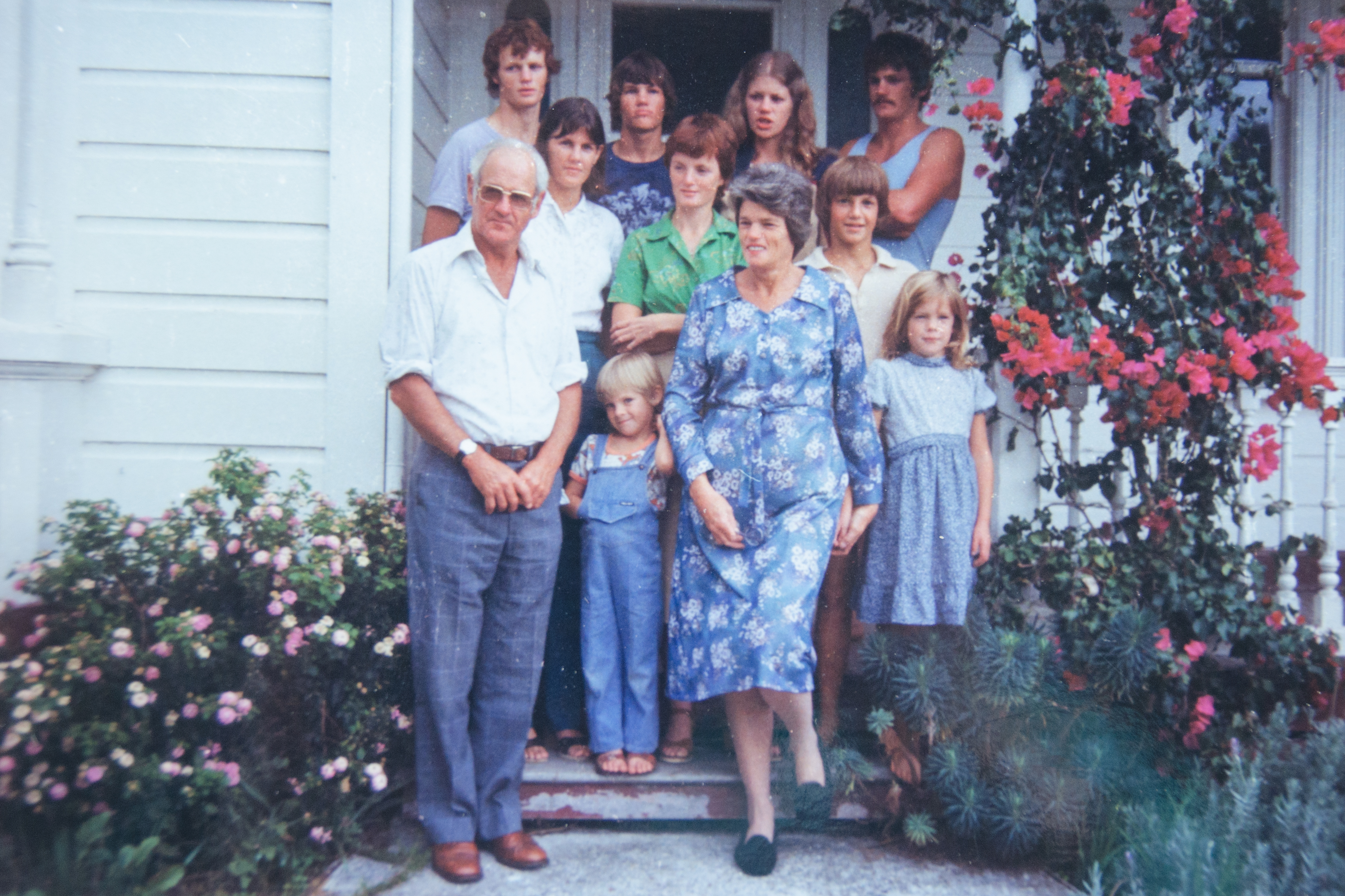
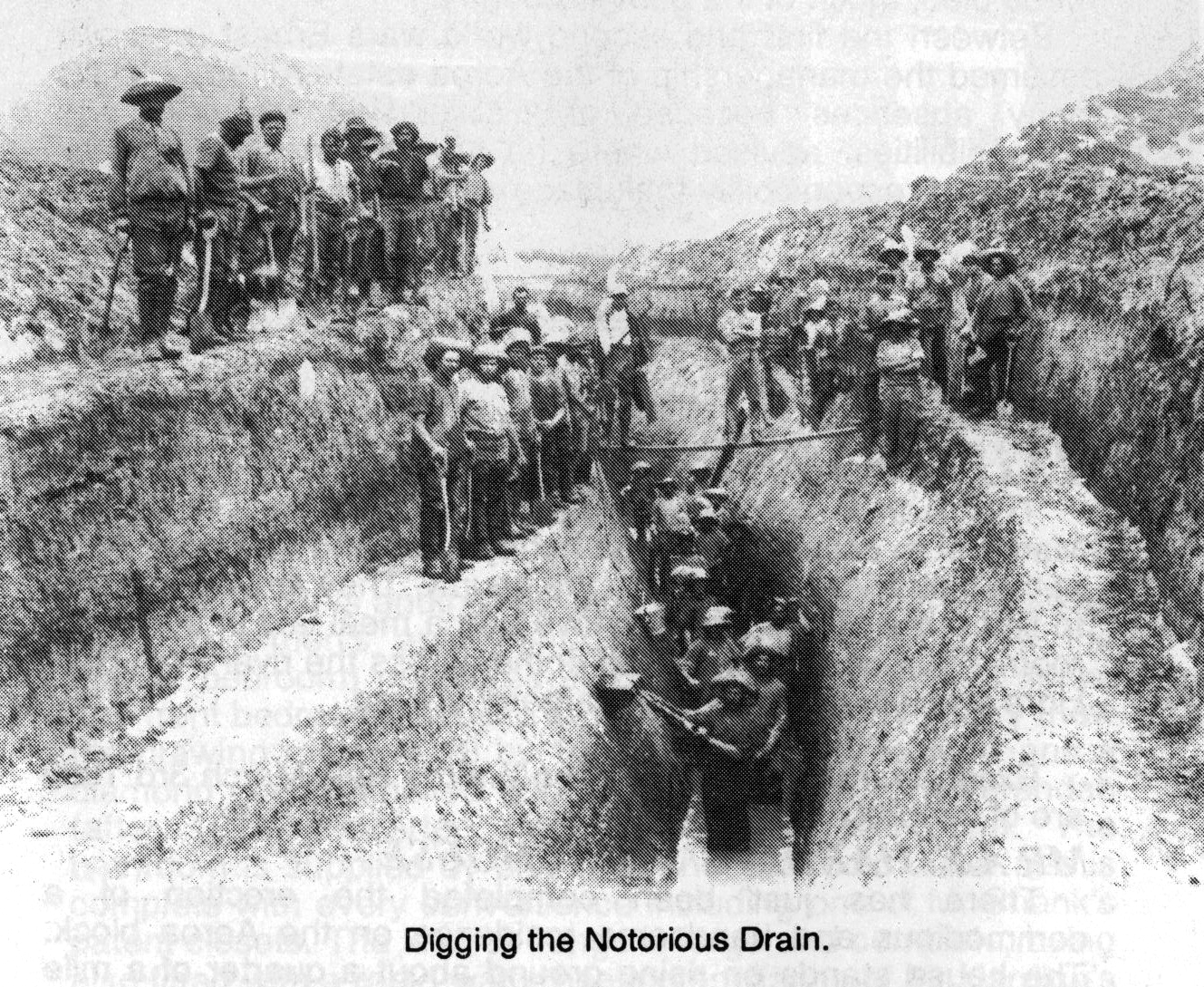
The 1980s saw the beginnings of the new generation take on Aoroa. Peter took over one of the dairy farms and Harold worked with Keith to title drain 50 acres (20ha) of the flats to grow squash. By the 1990s Brian and Robert were on the farm too, and the fifth Aoroa generation was being born.
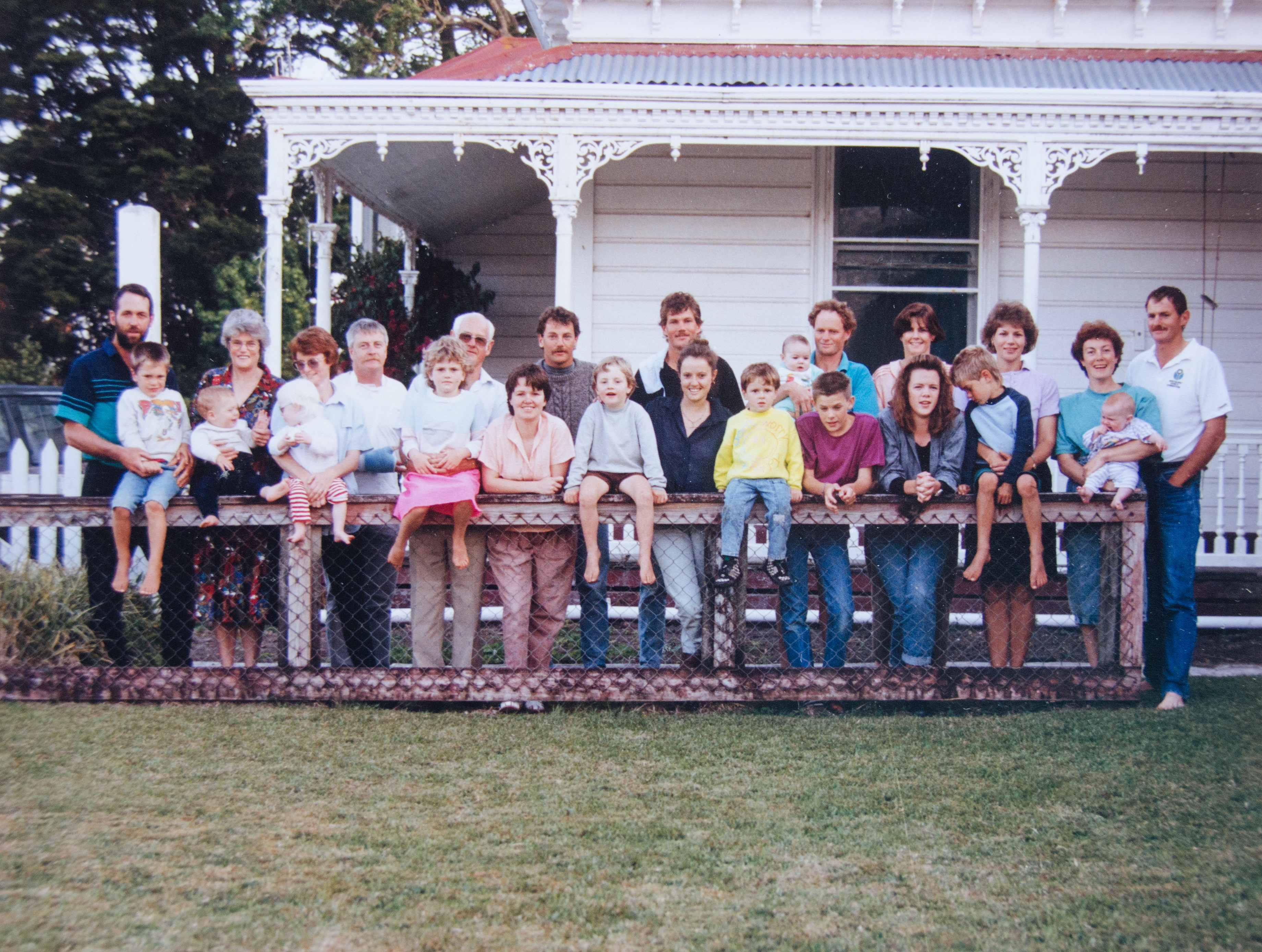
1996 saw the formal divide of the farm between the sons. Keith and Margaret moved to the coast and Hal and his wife Penny took on the homestead.
Hal and Penny swapped squash for Kumara shortly after the divide. They also carried on the sheep and beef tradition in the winter. Then in 2007, they made the full switch to dairy.
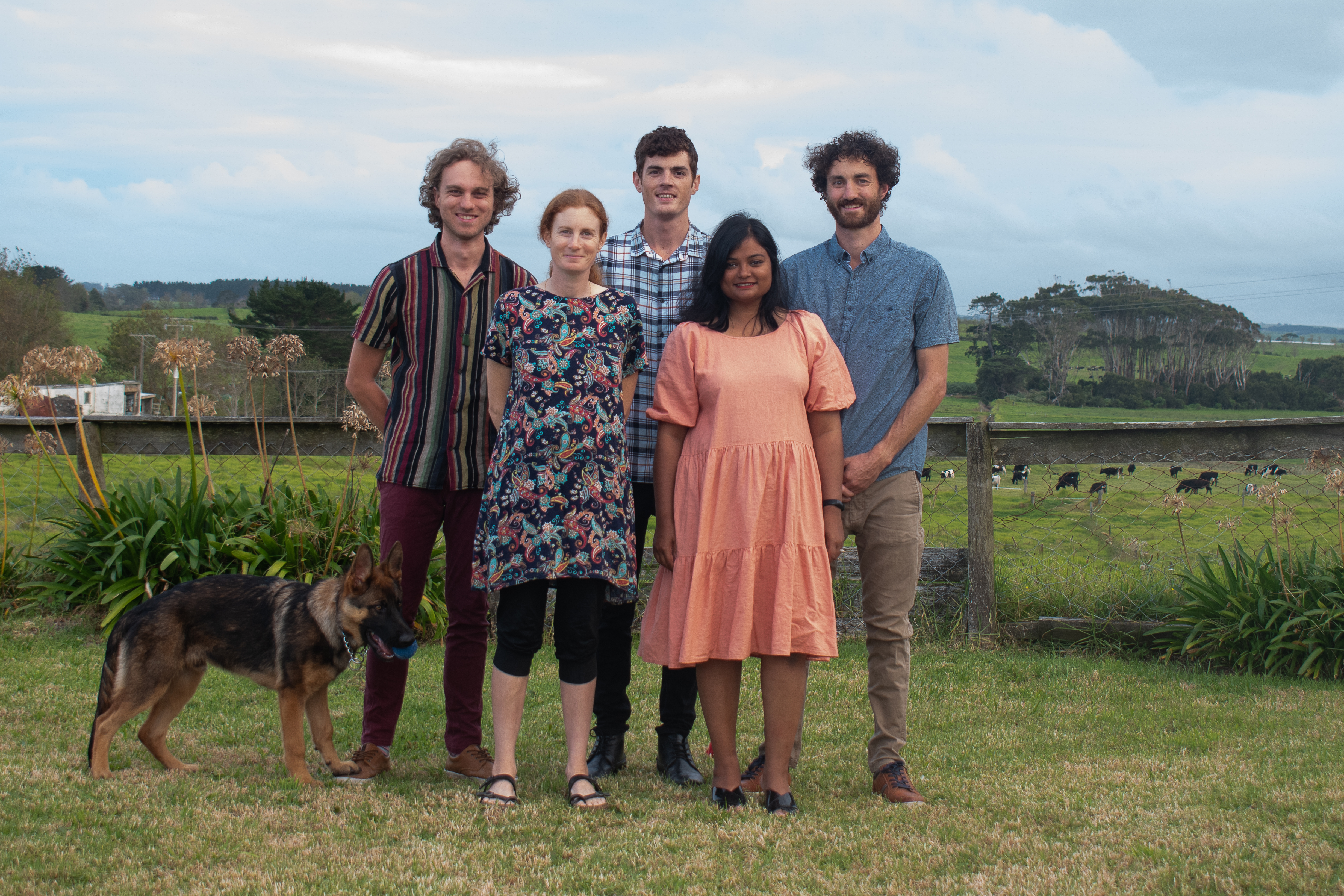
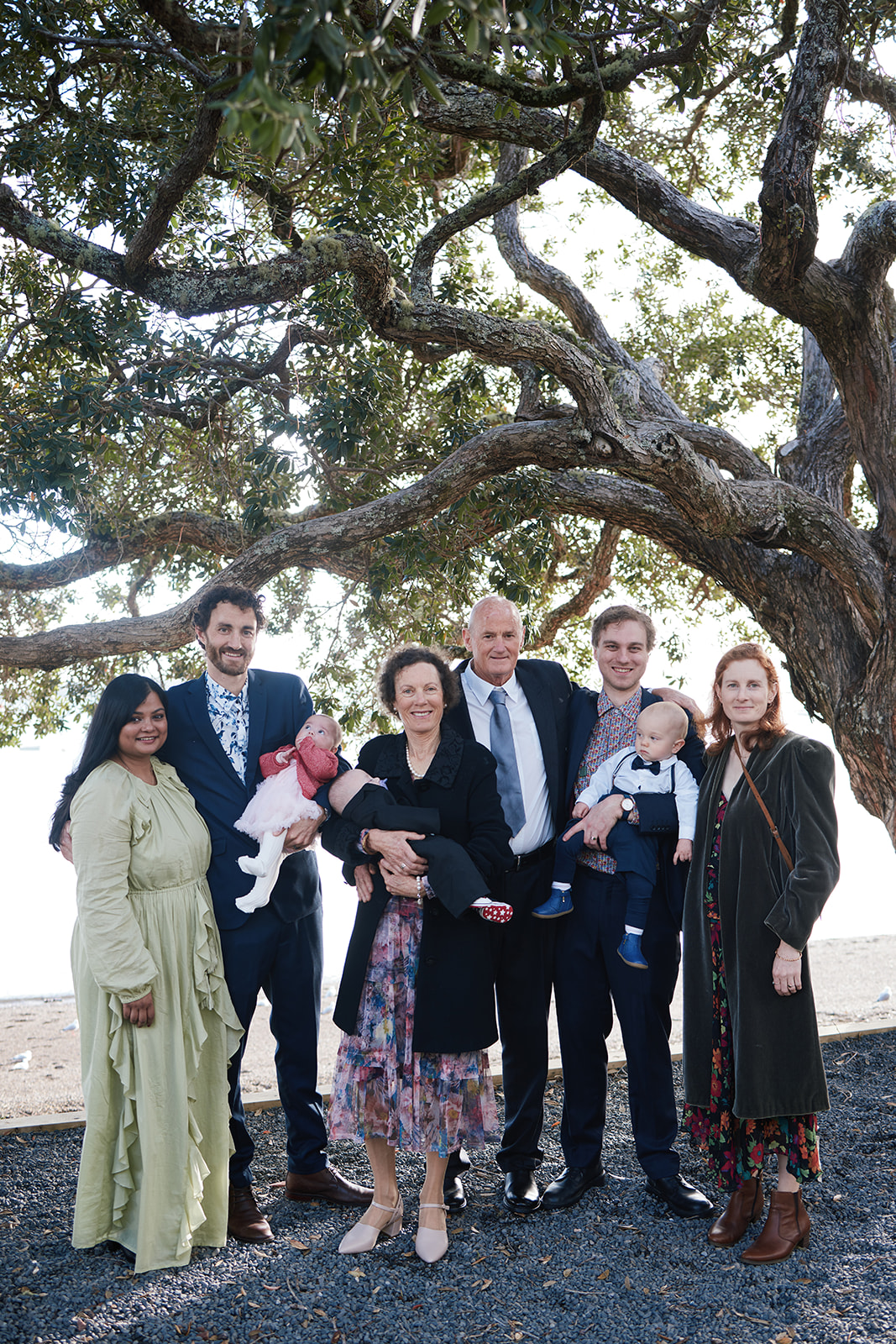
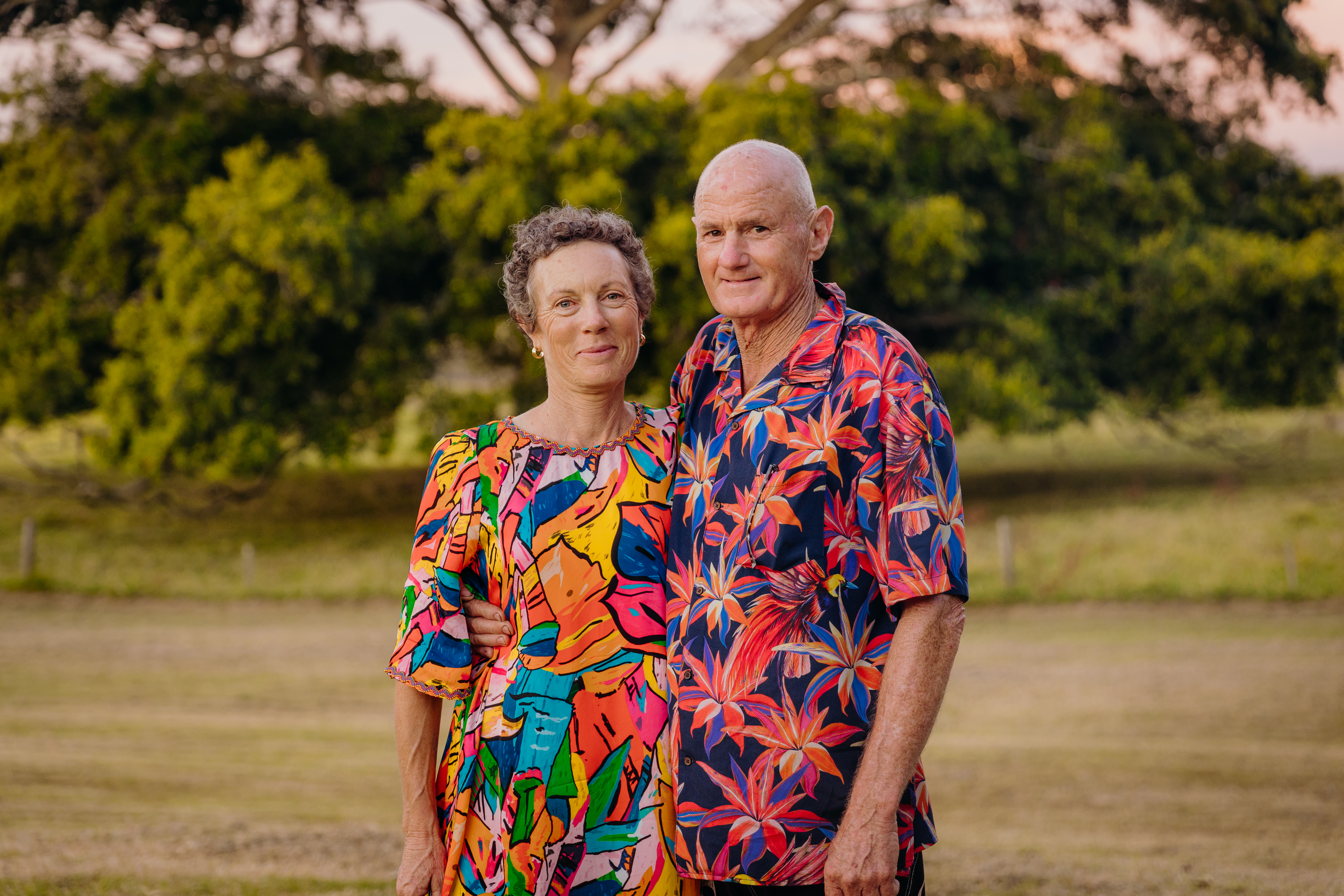
So this brings us to the present. Hal and Penny still farm dairy. They own just over 1500 acres and milk 600 cow’s. They employ four staff, who all live on site. They have three children – Anna, Mathew and Astley and two wonderful in-laws – Lina and Tommy.
Sources:
Lesley Harding, The Aoroa Story: Alfred and Margaret Harding, (1993)
New Zealand Historic Places Trust
 Aoroa Farm